
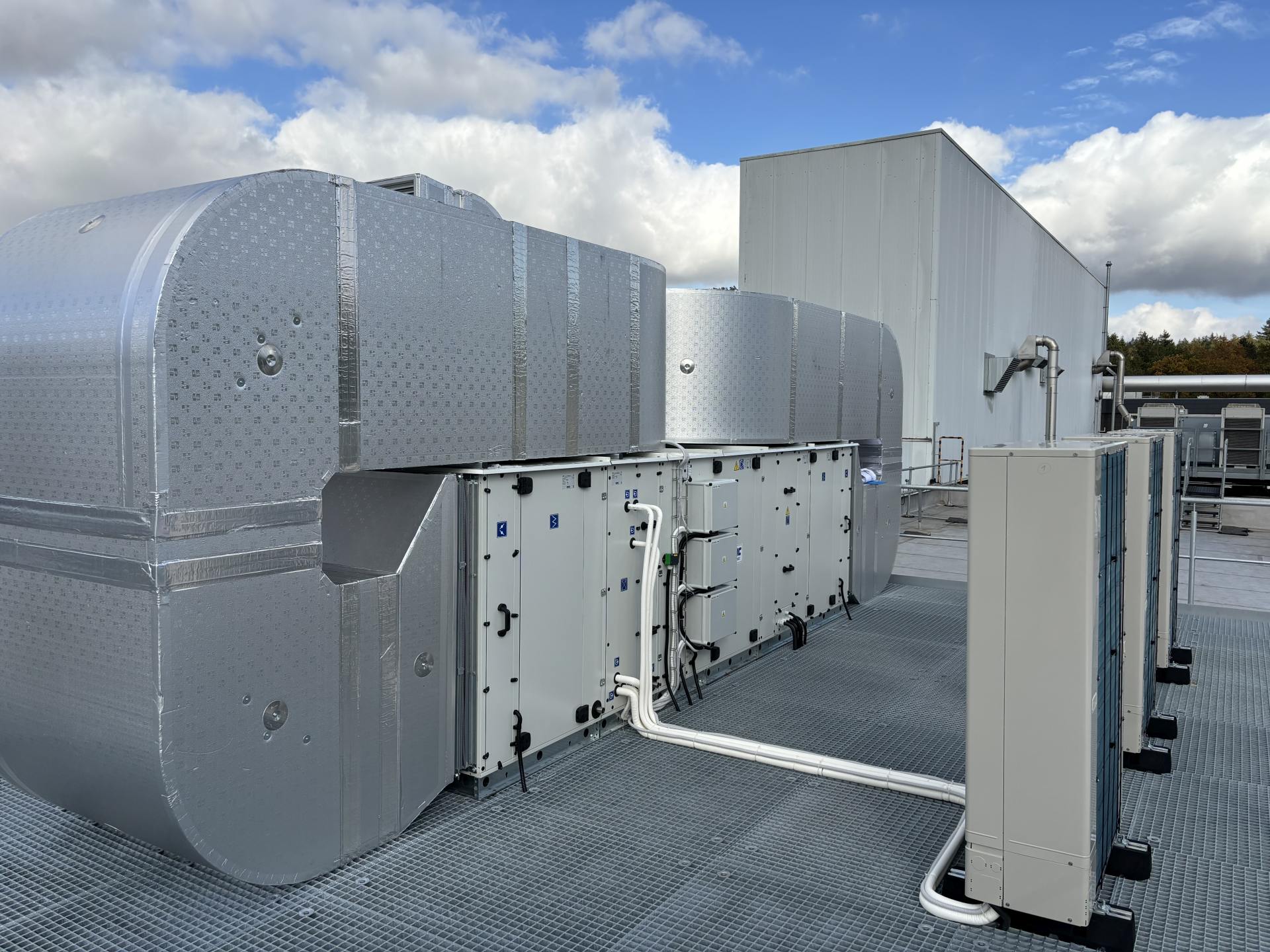
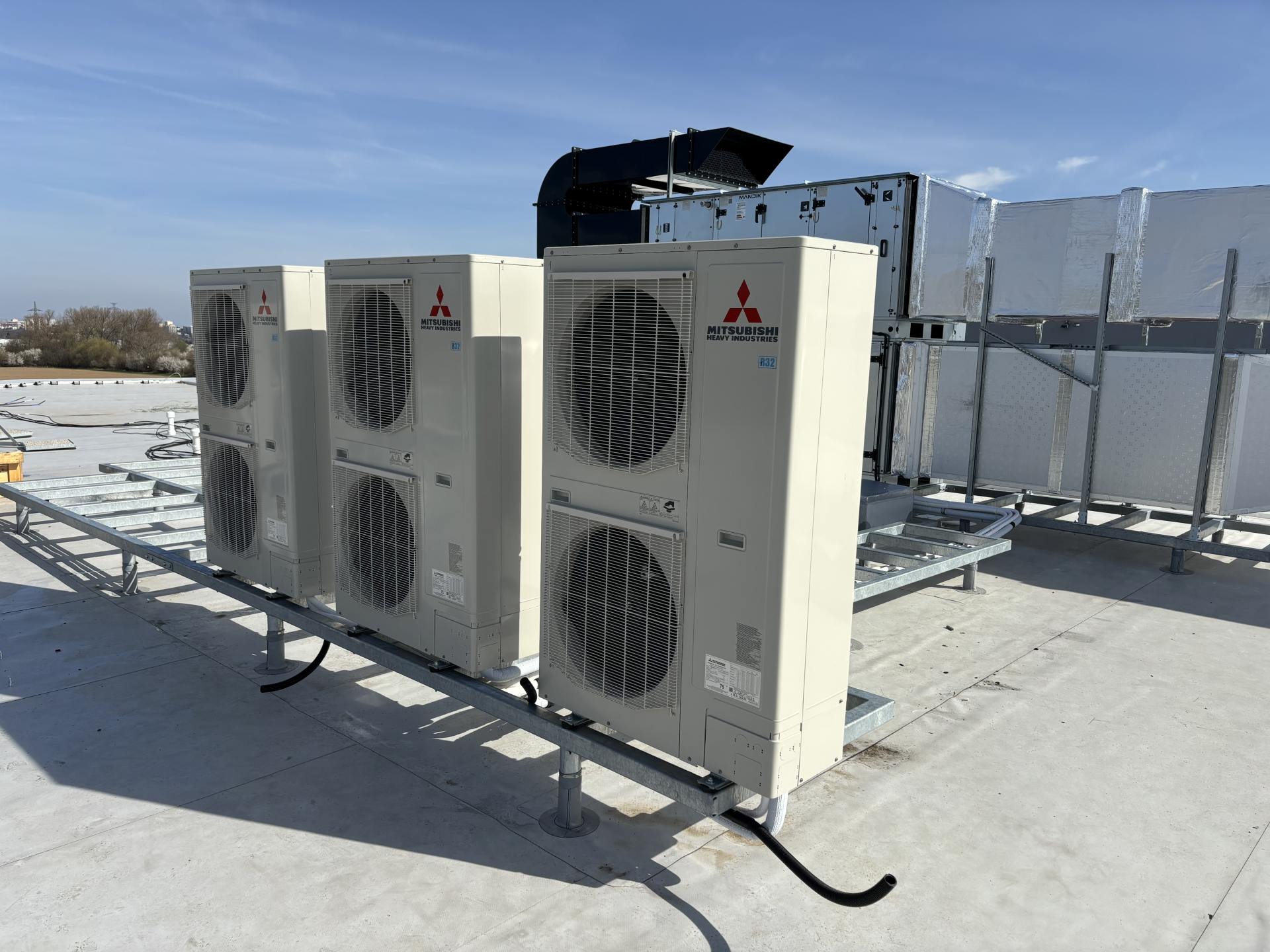
Within air handling, complete air movement is ensured throughout the building, including intake, filtration, heating, cooling and exhaust. Filtration elements remove impurities and microorganisms, thereby improving indoor air quality. Air conditioning maintains stable temperature and humidity levels, which is important not only for user comfort but also for the protection of sensitive technologies, such as in IT centres or cleanrooms.
Air handling, air conditioning and heating (HVAC)
HVAC systems are a key component for ensuring optimal conditions in controlled environments. Their role is to maintain the required temperature, humidity and air quality, meeting the demands for thermal comfort as well as the proper functioning of technological processes. They are used in a wide range of buildings — from residential homes and offices to industrial facilities, hospitals, laboratories and cleanrooms.
Functions and benefits of HVAC systems
Control and energy efficiency
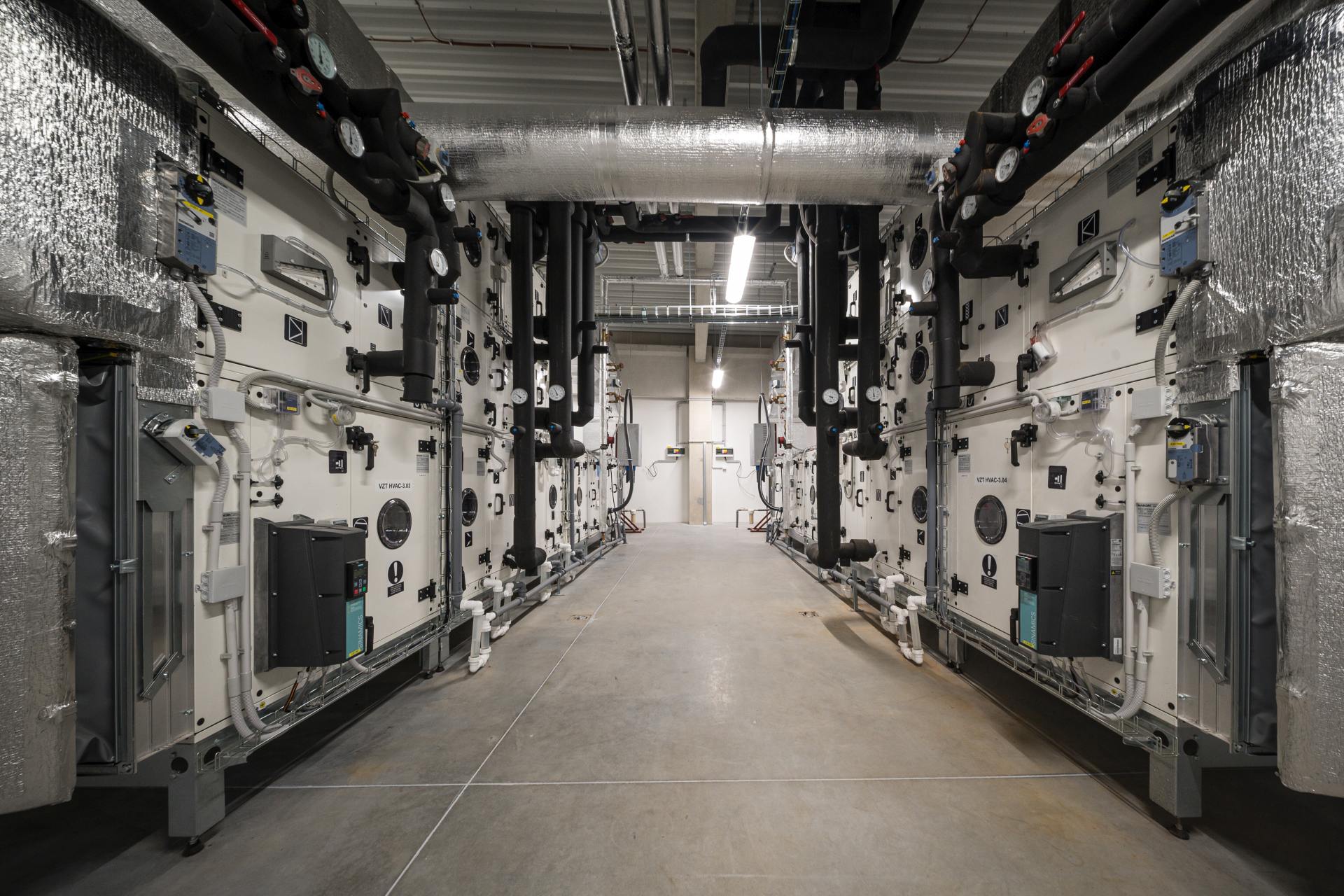
HVAC systems can be controlled centrally or divided into individual zones according to the specific needs of different areas of the building. Modern facilities often integrate these systems into building management systems (BMS), allowing real-time monitoring and regulation of temperature, humidity, air quality, and energy consumption. Control also includes monitoring the operation and maintenance of individual components.
Special requirements in technological and healthcare facilities
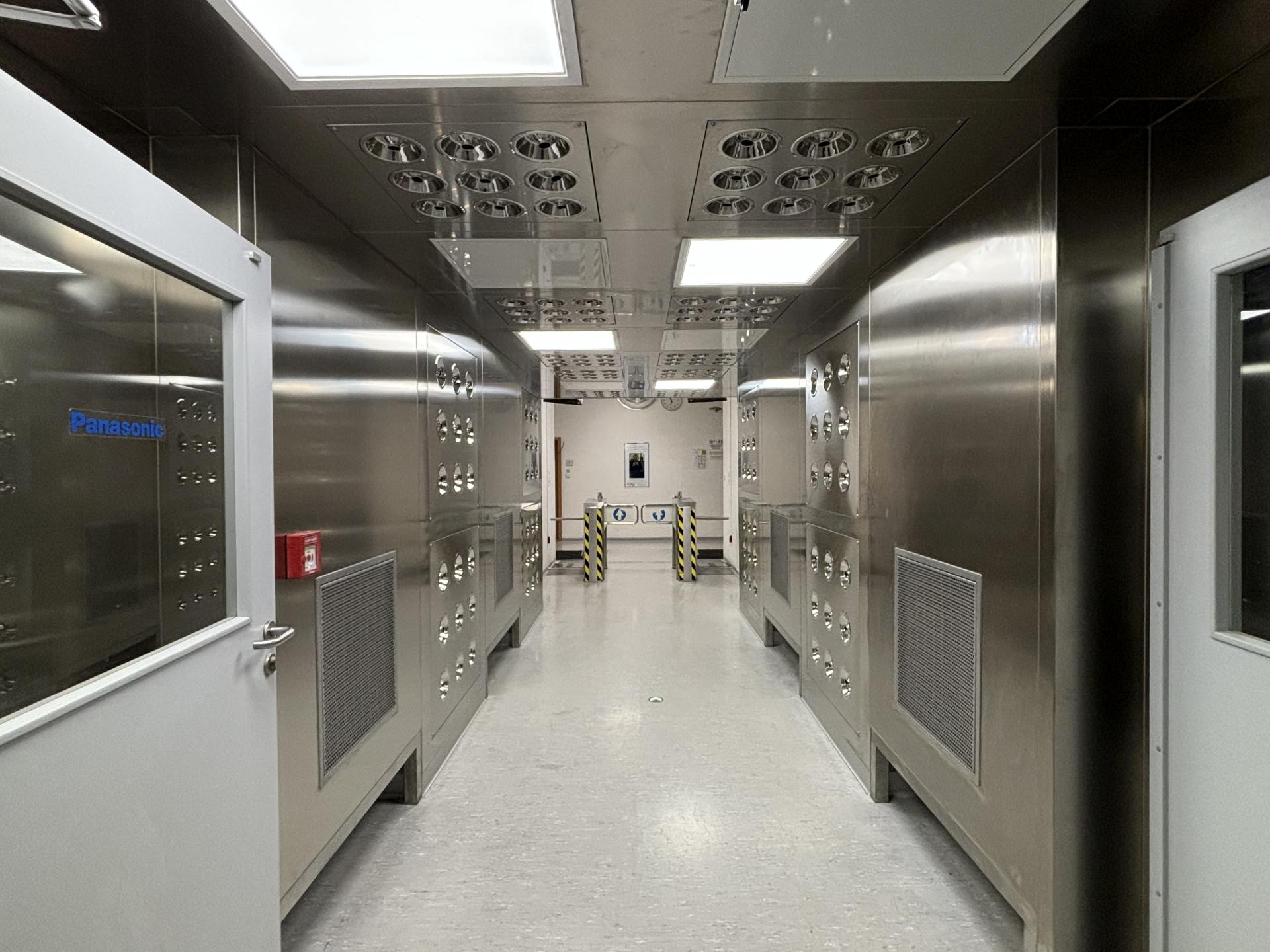
In environments with high requirements for safety and cleanliness, such as laboratories, hospitals or cleanrooms, HVAC systems must meet stricter standards. They include highly efficient air filtration and precise control of climatic conditions to ensure a stable and safe environment for research, production or healthcare procedures.
Typical areas of application
Pharmaceutical and biotechnology production
Controlled environments, protecting products from contamination
Healthcare and hospitals
Operating theatres, intensive care units (ICU), sterile facilities, laboratory workplaces
Cleanrooms and microbiological laboratories
Positive and negative pressure rooms, multi-level filtration
Industrial and laboratory operations
Stable microclimate for precise technological processes
Administrative, commercial and residential buildings
Comfortable, healthy and energy-efficient indoor environment

